

Part 2: The Hidden Highways That Built a Trade Empire

Rail Ferries on the Detroit River
Serving as a significant transportation link in the late 19th century between Detroit, Michigan, and Windsor, Ontario, rail-car ferries operated by the Michigan Central Railroad and the Grand Trunk Railway moved freight across the Detroit River before permanent rail crossings existed. These ferries played a critical role in trade and economic development, facilitating the exchange of goods between the United States and Canada.
In 1911, Russell Farrow founded the Farrow organization with a focus on customs brokerage and import/export facilitation, streamlining the movement of goods through these established cross-border ferry corridors, thereby strengthening trade connectivity between Canada and the United States.
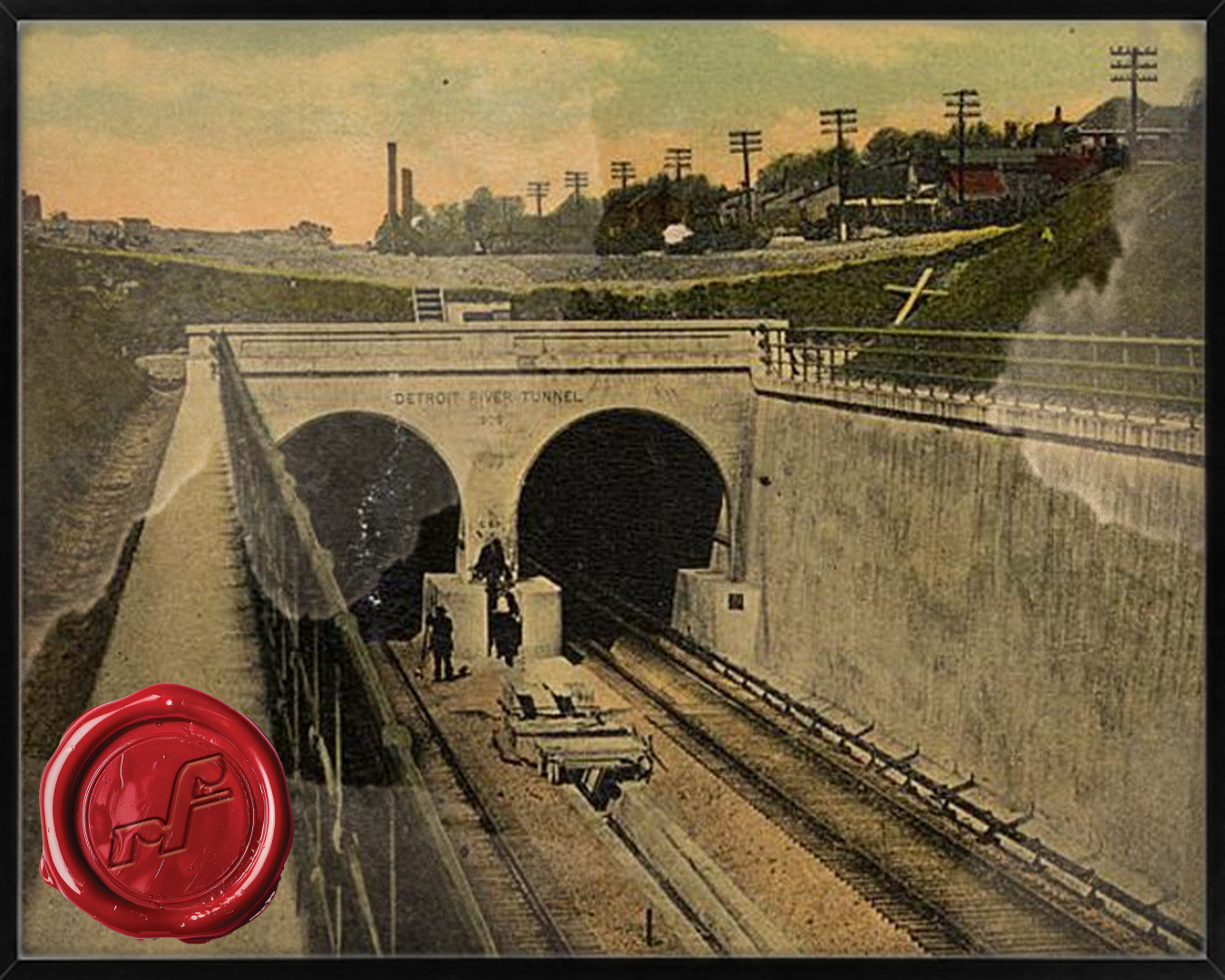
The Michigan Central Railway Tunnel
Opening on July 26, 1910, the Michigan Central Railway Tunnel played a crucial role in facilitating trade and transportation between Detroit, Michigan, and Windsor, Ontario, with the tunnel providing a direct and efficient transportation connection between the two cities.
Russell A. Farrow started his customs brokerage business in 1911, just one year after the completion of the Michigan Central Railway Tunnel, and utilized this important infrastructure to expand his business and foster growth in trade. By leveraging the tunnel, and the accompanying river ferries, the Farrow organization was able to help clients transport goods to facilitate trade more effectively, establishing a strong foundation for the company’s success during that time period.
Today, the Michigan Central Railway Tunnel sees about 400,000 railcars pass through it on an annual basis.
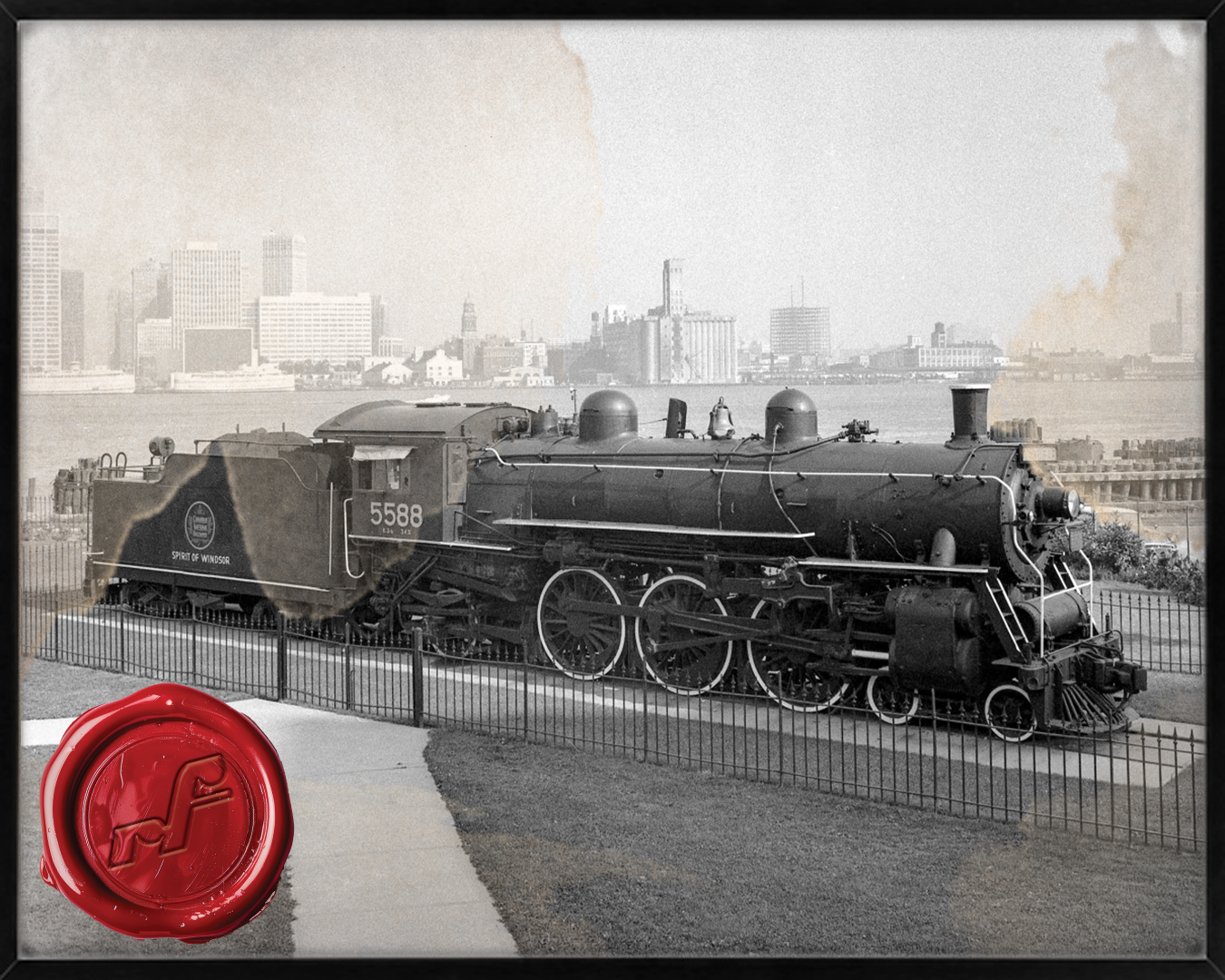
Spirit of Windsor Engine No. 5588
Built by Montreal Locomotive Works for the Canadian National Railways company, the No. 5588 locomotive played a vital role in Canada’s rail network, transporting freight and passengers across Southern Ontario.
The locomotive regularly delivered cargo to the Windsor, Ontario riverfront, where goods would be transferred for cross-border trade into Detroit. That same year that the locomotive was built – 1911 – Russell A. Farrow customs brokerage was founded, growing alongside Canada’s evolving rail networks.
From ferrying goods across the Canada-U.S. border to becoming a leading customs broker, Farrow has supported trade activity and supply chains across North America for over a century. Retired in 1961, No. 5588 was saved by the community and in 1965 dedicated as the “Spirit of Windsor”, symbolizing the city’s rich heritage in rail transport and commerce.
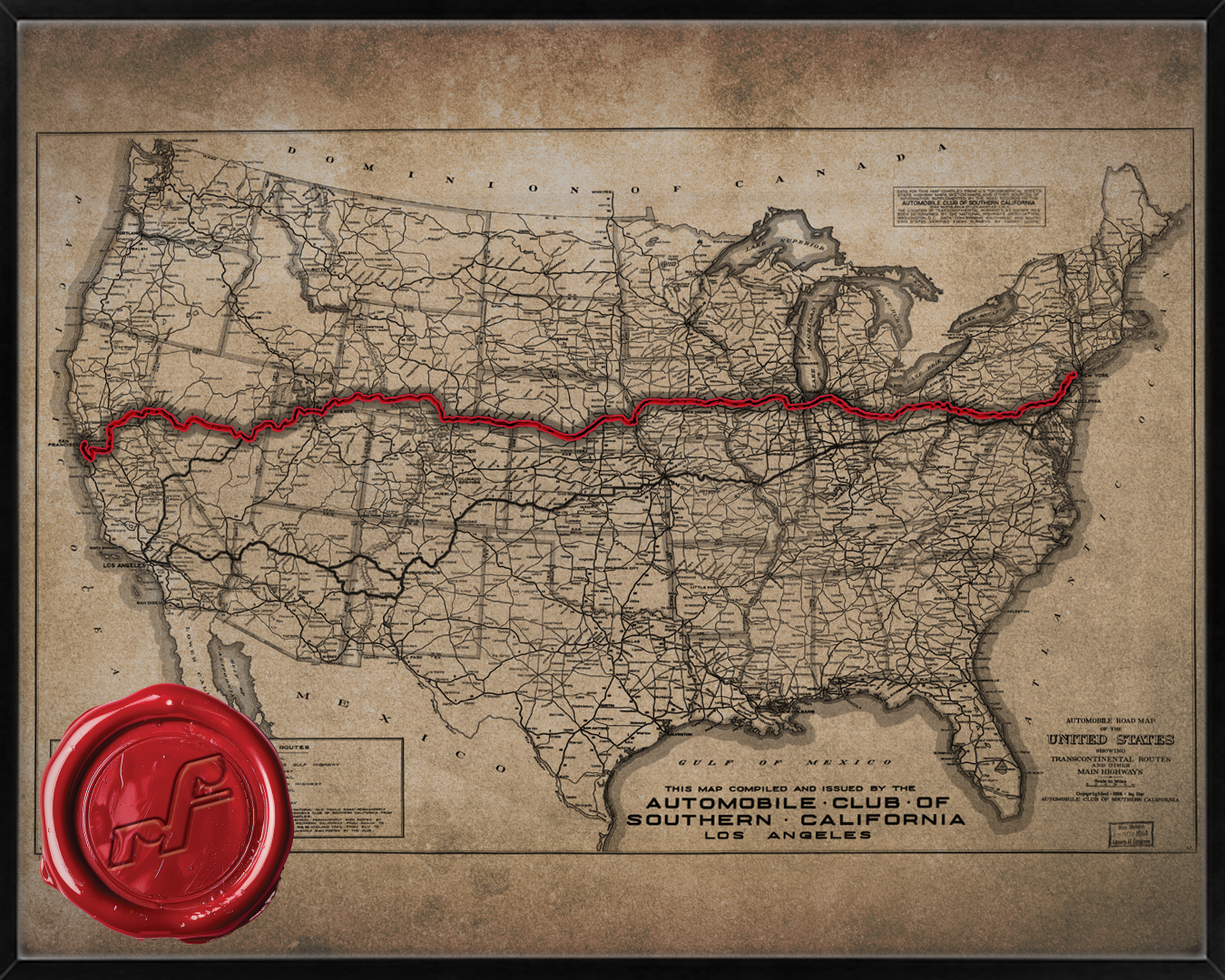
The Historic Lincoln Highway
Established in 1913, the Lincoln Highway once connected New York City to San Francisco, tracing through historic landmarks linked to Abraham Lincoln and 19th-century trade, including pivotal trade cities like Chicago, Illinois, Omaha, Nebraska, and Cheyenne, Wyoming.
An early transcontinental route in the United States, this highway played a crucial facilitator of trade in the early days of commerce. Today, while no longer a single continuous commercial artery, the Lincoln Highway endures as the blueprint for modern Interstate 80 (I-80), which serves as a major trade corridor connecting the East and West coasts of the United States.
Russell Farrow, always on the lookout for new opportunities, was one of the first customs brokers in Canada to own delivery vehicles. This solution provided clients with an integrated logistics service, offering both customs brokerage and transportation from one organization.
Grow your business with our logistics solutions
Get the expert support and service needed to comply with shipping regulations, optimize your supply chain and more.

Your international trade experts are here to help.
Transporting your goods across borders? Get in touch and a Farrow representative will reach out shortly.
Request a Quote
Keep up with the latest trade news.
Stay informed with up-to-date information on US and Canadian customs and international trade topics.
Explore Our Resources