

Part 1: The Origins of a Trade Pioneer
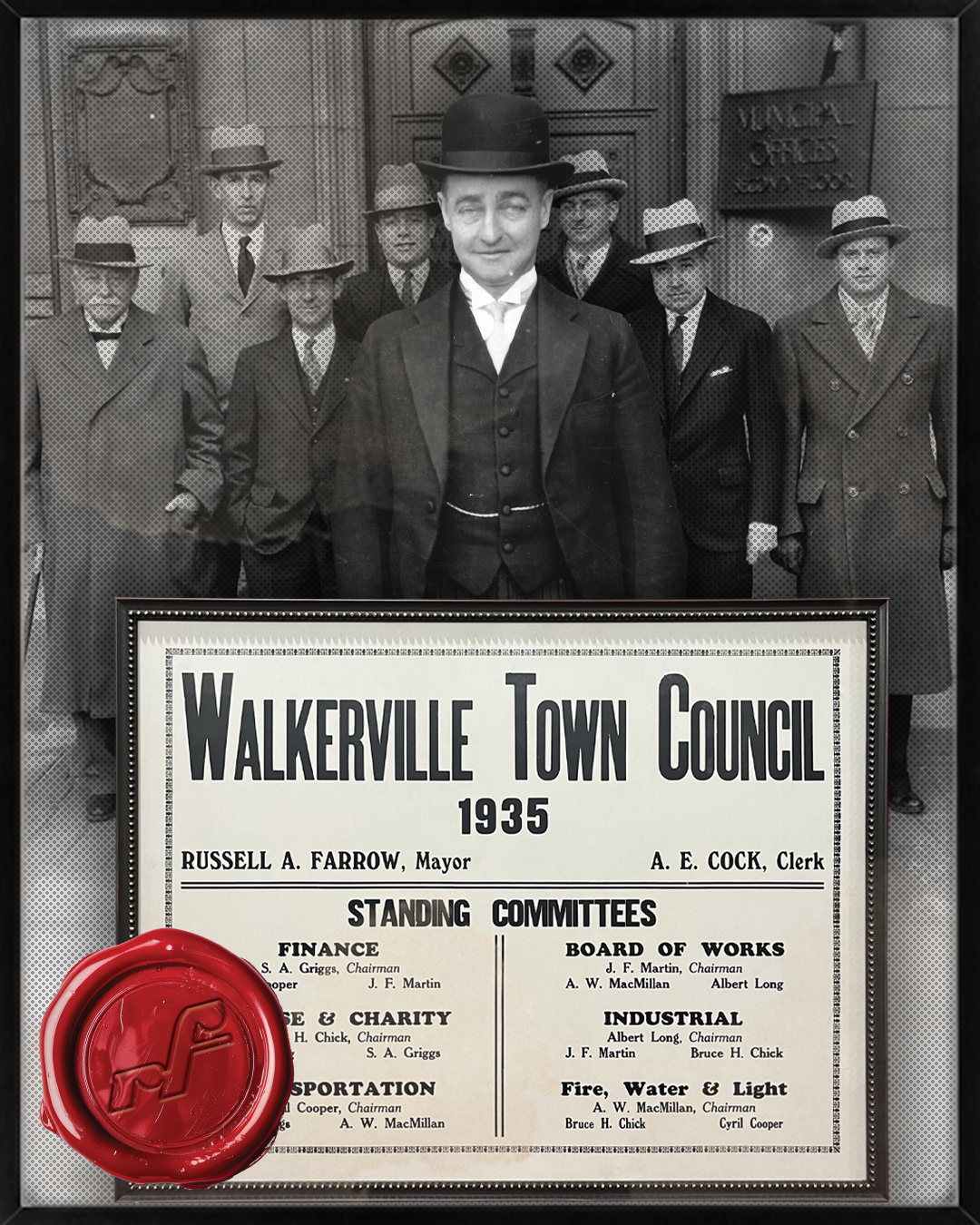
Mayor Russell A. Farrow
Russell A. Farrow, originally from Ottawa, Ontario, moved to Windsor, Ontario, in 1910. Initially working as a Dominion Customs Appraiser for the Department of National Revenue, Russell gained significant insights into both customs brokerage and duty drawback claims services.
A year later, Russell started his own customs brokerage firm catering to the thriving commercial ferry traffic between Detroit and Windsor. This new organization, Russell A. Farrow, had to temporarily halt operations when Russell was enlisted in the Canadian army to serve on the Western Front during World War I. Upon his return in 1918, Russell revived the business, and the Farrow organization prospered in the years of economic prosperity and industrial expansion that followed the war.
A pioneer in integrated logistics services, Russell was among the first brokers in Canada to own delivery vehicles, providing customers with an integrated logistics service that combined both brokerage and transportation solutions.
In the 1930s, Russell diversified his interests by becoming politically active, serving as both a local organizer for the Federal Liberal Party and the Mayor of Walkerville, Ontario in 1934.
His tenure as Mayor was marked by Russell’s commitment to public service, as is evidenced in a historical photograph of the 1934 Walkerville Council with Farrow in his mayoral role. (shown right)
Russell’s entrepreneurial spirit and commitment to both business and to public service continue to inspire us today. His innovative approach to customs brokerage modernized trade and supply chain operations, contributing significantly to the growth of many industries and to the prosperity of trade in both Canada and the United States.

The Great Lakes
The Great Lakes have been historically instrumental in North American trade, serving as a crucial supply chain route. The region’s resources and infrastructure, including the Welland Canal and the St. Lawrence Seaway, help facilitate the movement of goods to the world. The lake system is also home to short sea shipping routes, which involve the maritime transport of goods over short distances. These short routes provide efficient alternatives by curbing congestion along larger arteries and further enhance the Great Lakes’ role in regional trade.
Founded in Windsor, Ontario, and situated along this lake system, Russell A. Farrow’s customs brokerage business capitalized on this trade environment. Expanding over time, the Farrow organization became a leading Canadian provider for customs brokerage and logistics.

Short Sea Shipping
Short sea shipping routes (maritime transport of goods over short distances) are key for port connectivity, trade support, and economic growth.
The shipping routes connect North America, including services from Caribbean hubs to East and Gulf Coast ports, Seattle to Anchorage, Tampa to New Orleans to Houston, and the northeastern seaboard linking cities like Boston, Massachusetts; New York, New York; Baltimore, Maryland; and Norfolk, Virginia. Montreal, Quebec and Halifax, Nova Scotia also both connect to St. John’s, Newfoundland and Labrador, promoting provincial maritime trade by linking Canadian ports.
Understanding this network, Farrow assisted clients utilizing these shipping routes, playing a key role in North American customs activity. Businesses today continue to transport goods via these routes, enhancing their supply chain efficiencies. Short sea shipping also provides environmentally friendly alternatives by curbing congestion and emissions.
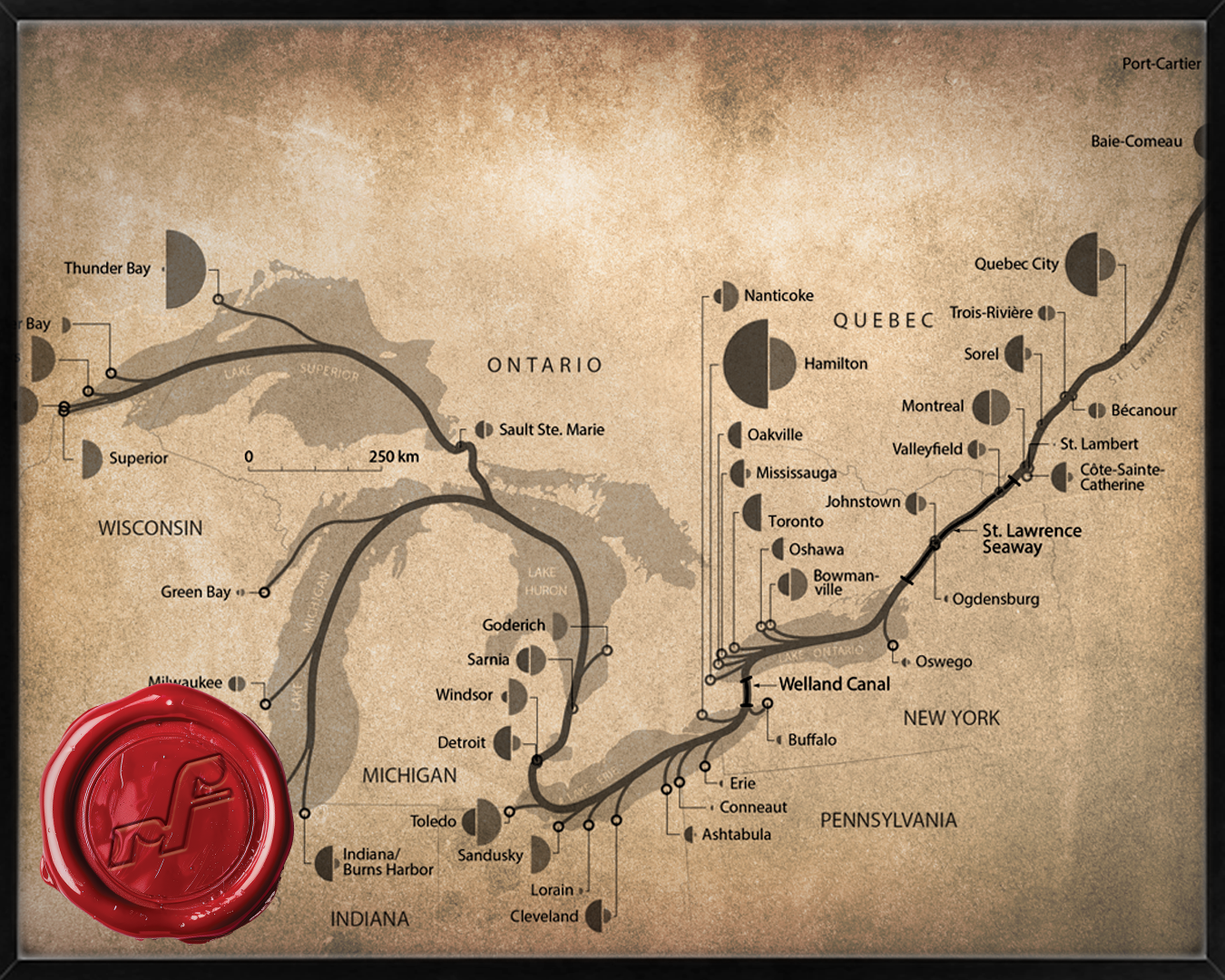
St. Lawrence Seaway
As an integral component of the short sea shipping routes, the St. Lawrence Seaway has historically served as a crucial waterway for North American trade. Construction on the seaway’s infrastructure began in the 1950’s, enabling additional large ocean cargo movement into North America.
Jointly managed by the United States and Canada, today this seaway remains a vital trade gateway supporting billions of tonnes of cargo that drive regional economic activity.
Since its early days in use, Farrow customs brokerage has worked with many companies who leveraged the seaway’s efficiency for high-volume shipments. One example is a large salt mine operation in Windsor, Ontario, which depends on ships to transport its product. At one time, Farrow managed their brokerage and saw business growth as a result of this client, and others, increasing trade activity on the seaway.
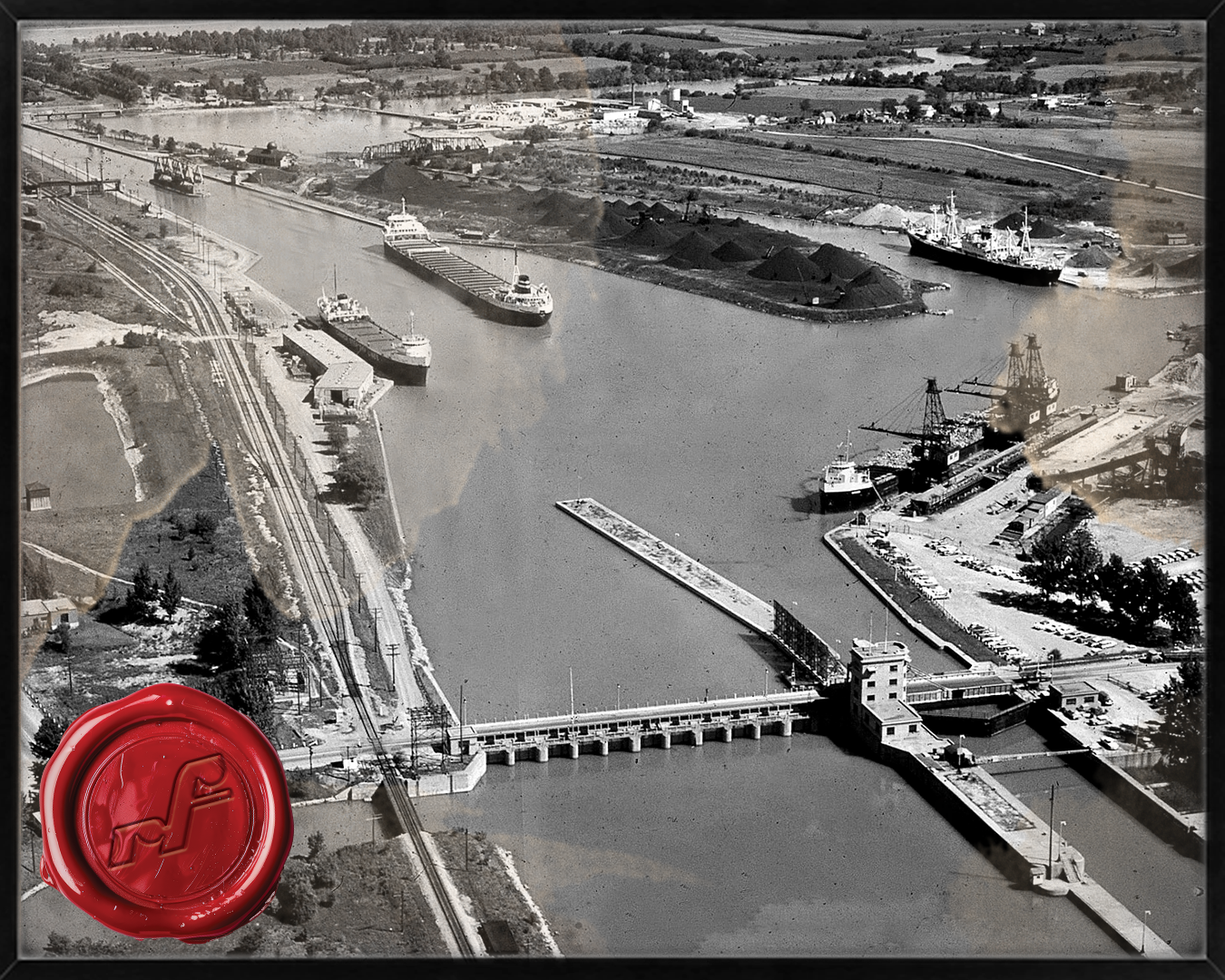
The Welland Canal
Completed on November 30, 1829, the creation of the Welland Canal improved transportation and trade in the Great Lakes region by allowing for circumvention of Niagara Falls.
By 1932, as traffic grew, the canal expanded to a 27-mile waterway with eight locks, linking the Great Lakes to the St. Lawrence River. This canal, supporting regional and global goods movement, bolstered the region’s industrial and economic growth. Since its early days through to today, the Farrow organization continues to support client trade activity in this area of the Great Lakes region.
Stay tuned for the next piece of history where we explore the significance of the Livingstone Channel.
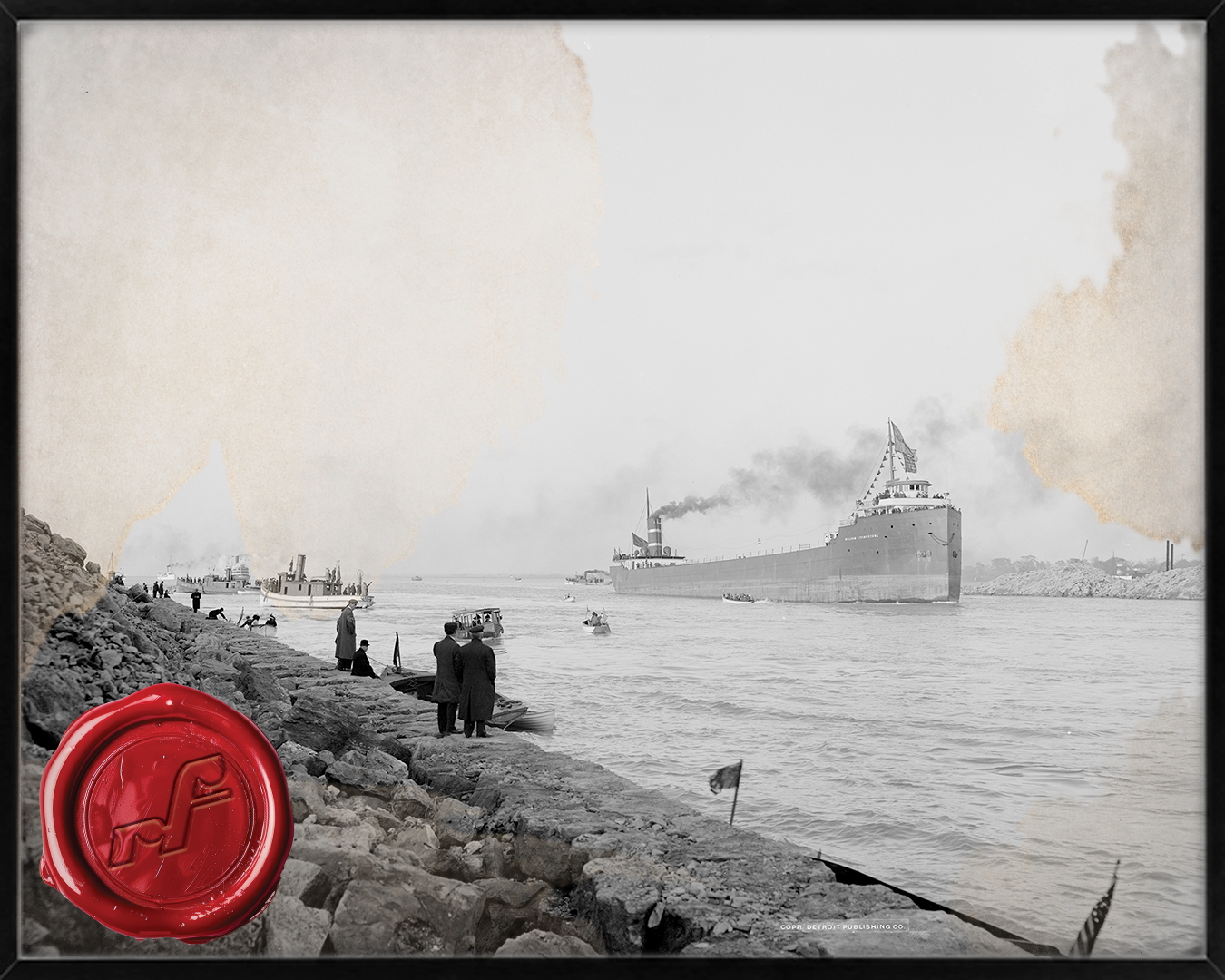
The Livingstone Channel
On October 19, 1912, the freighter William Livingstone inaugurated the new Livingstone Channel. Named after Great Lakes navigation expert John A. Livingstone, this channel became a major route for vessels between Detroit, Michigan, and Windsor, Ontario. A part of the St. Lawrence Seaway system, this channel is a vital transportation artery for goods from the Great Lakes to the broader North American interior.
Russell A. Farrow, saw an opportunity and started his business ferrying goods between Windsor and Detroit, using the Livingstone Channel, in addition to facilitating customs brokerage.
Grow your business with our logistics solutions
Get the expert support and service needed to comply with shipping regulations, optimize your supply chain and more.

Your international trade experts are here to help.
Transporting your goods across borders? Get in touch and a Farrow representative will reach out shortly.
Request a Quote
Keep up with the latest trade news.
Stay informed with up-to-date information on US and Canadian customs and international trade topics.
Explore Our Resources